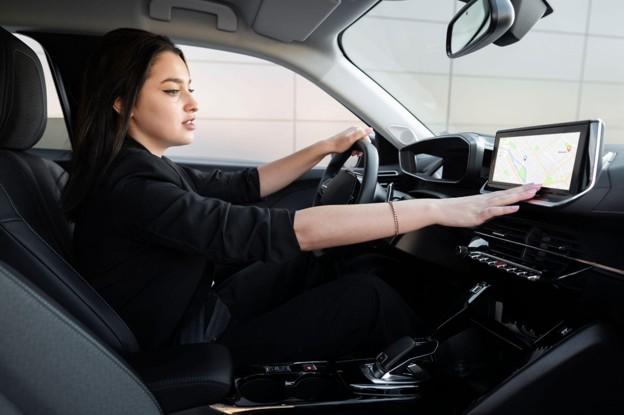
Buying a vehicle now involves evaluating much more than acceleration, braking, and ride quality. Jeffrey Lux of Ramsey, NJ, brings attention to how modern technology has made a thorough test drive increasingly important.
Touchscreens, cameras, smartphone connectivity, configurable displays, parking assistance, and driver-assistance systems can significantly shape everyday ownership. Features that look impressive in a showroom may feel very different once the vehicle is moving. A useful test drive should therefore examine how comfortably the entire vehicle fits into normal driving routines.
The Traditional Test Drive Has Changed
A test drive once focused primarily on straightforward mechanical questions.
Does the vehicle accelerate smoothly? Are the brakes responsive? Is the steering comfortable? How does the suspension handle uneven roads?
Those questions remain important, but they are no longer enough.
Drivers now interact with multiple digital systems during an ordinary trip. Adjusting climate settings, changing audio, following navigation, checking vehicle information, or using a camera may involve screens and menus.
The usability of those systems can affect the ownership experience almost every day.
A test drive provides an opportunity to discover whether the technology feels helpful or unnecessarily complicated.
Controls Should Be Tested While the Vehicle Is Moving
A touchscreen can seem simple when someone is sitting in a parked vehicle.
Using it while driving can be different.
A menu that requires several taps may demand more attention than expected. Small icons may be difficult to locate quickly. Frequently used controls may be buried inside digital menus rather than accessible through physical buttons.
During a test drive, buyers can pay attention to common actions such as adjusting temperature, changing audio settings, or accessing navigation.
The question is not whether the interface looks modern. It is whether important functions remain easy to use when attention is primarily on the road.
Visibility Still Matters
Technology can improve awareness, but it does not eliminate the importance of basic visibility.
Modern vehicle designs can have different rooflines, window sizes, pillars, and seating positions. Cameras and sensors may help compensate for certain limitations, but drivers should still determine how comfortable they feel seeing the road and surrounding traffic.
A test drive can reveal whether mirrors provide a useful view and whether pillars create noticeable blind areas.
Drivers should also pay attention to how easily they can judge the vehicle’s dimensions.
This can be especially important when moving from a smaller car to a larger SUV or from a familiar body style to something significantly different.
Cameras and Sensors Need Real-World Testing
Backup cameras and parking sensors have become familiar features, while some vehicles offer multiple camera angles or more advanced parking assistance.
These systems can be useful, but their execution varies.
A short drive that includes parking can provide valuable information. Is the camera image clear? Are the guidelines easy to understand? Do alerts provide useful information without becoming distracting?
Drivers should also consider whether they can comfortably combine camera information with mirrors and direct observation.
Technology should support awareness rather than make ordinary maneuvers feel more complicated.
Driver-Assistance Features Can Feel Different Behind the Wheel
Many newer vehicles offer systems designed to assist with tasks such as maintaining speed, monitoring surrounding traffic, or providing lane-related alerts.
A feature description cannot fully communicate how a system feels in practice.
Where conditions safely permit, a test drive can help a buyer understand how available assistance features communicate with the driver.
Are alerts noticeable without being irritating? Are the controls straightforward to understand? Is it clear when a feature is active?
The goal is not simply to count how many assistance features are included. It is to determine whether their behavior fits the driver’s preferences and expectations.
Comfort Requires More Than Sitting in the Showroom
A seat can feel comfortable during a few stationary minutes and less suitable after actual driving.
The test drive provides an opportunity to adjust the seat, steering wheel, mirrors, and other settings before judging comfort.
Drivers can consider:
- Whether the driving position feels natural.
- How easily important controls can be reached.
- Whether the seat provides comfortable support.
- Whether displays are easy to read.
- How much road and wind noise enters the cabin.
- Whether passengers have suitable space.
Small annoyances can become much more noticeable when repeated during daily commuting or longer trips.
Smartphone Integration Should Be Tested
For many drivers, the phone has become closely connected to the in-vehicle experience.
Navigation, calls, messages, podcasts, music, and other functions may rely on smartphone integration.
A test drive is a good time to see how smoothly that connection works.
Buyers can check how quickly the phone connects, whether commonly used applications are easy to access, and whether charging locations are convenient.
These details may appear minor compared with horsepower or fuel economy, but frequently used technology can have a significant effect on daily satisfaction.
Drive on Roads That Resemble Everyday Life
A short route around a dealership may not reveal much about how a vehicle will behave during normal ownership.
When possible, buyers can include road conditions similar to those they encounter regularly.
Someone who spends substantial time on highways should experience the vehicle at appropriate highway speeds. A driver who regularly navigates crowded streets may want to evaluate low-speed maneuverability and visibility.
Uneven pavement can reveal ride characteristics that smooth roads hide.
The goal is not to create an extreme test. The goal is to make the drive representative.
A vehicle should be evaluated in conditions reasonably similar to those it will encounter after purchase.
More Technology Does Not Automatically Mean Better Technology
Feature lists can make comparisons difficult because one vehicle may appear superior simply by offering more systems.
Quantity does not necessarily determine usefulness.
A straightforward system that works consistently may be preferable to a more elaborate feature that a driver rarely uses. Similarly, a large touchscreen is not automatically easier to operate than a smaller interface with well-organized controls.
The test drive helps shift attention from what the vehicle has to how those features actually work.
That distinction becomes increasingly important as vehicles contain more digital technology.
Test the Features That Will Actually Be Used
It is easy to spend time exploring unusual features while overlooking basic functions that drivers will use every day.
A practical test drive should prioritize the driver’s normal routine.
That might mean checking:
- Climate controls.
- Audio and volume adjustments.
- Navigation access.
- Phone connectivity.
- Parking cameras.
- Steering-wheel controls.
- Instrument display readability.
- Storage areas and charging ports.
A feature used twice a year doesn’t necessarily need more attention than a control touched every morning.
Final Thoughts
Modern vehicles can offer impressive combinations of mechanical capability and digital convenience, but specifications alone cannot reveal whether those features will feel comfortable in everyday use.
The test drive remains one of the best opportunities to evaluate that relationship.
Acceleration, braking, steering, ride quality, and comfort still matter. Now, however, drivers also need to consider screens, controls, cameras, connectivity, visibility, and assistance features.
The most technologically advanced vehicle on paper isn’t automatically the easiest or most satisfying to live with.
A thoughtful test drive helps buyers move beyond the feature list and consider a more practical question: does the entire vehicle work naturally for the way they actually drive?